
Eating and Drinking at the End of Life
Appetite Naturally Decreases
At the end of life, it is very common for a person’s appetite to decrease gradually. Many people lose interest in food and drink altogether. This can be difficult for families to witness because offering food is such a natural way to show love and care. However, as the body begins to slow down, it no longer needs the same amount of energy or nourishment.
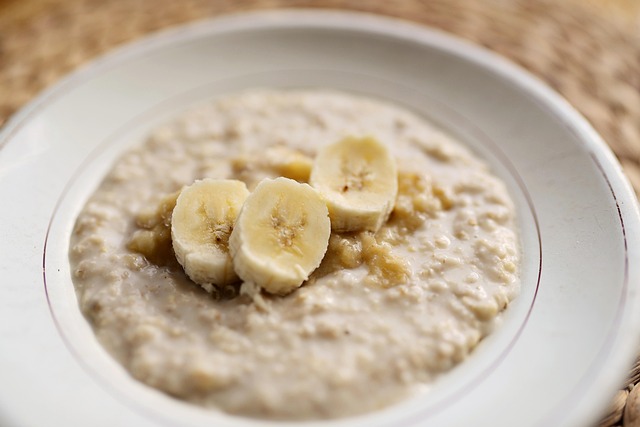
The digestive system becomes less active, hunger fades, and the body is often unable to process food in the usual way. For some people, even a few mouthfuls may feel too much. Others may become sleepy and simply stop asking for food or fluids. This is usually a natural part of the dying process rather than a sign of suffering.
People may also notice changes in taste and smell. Foods once enjoyed may no longer appeal, and strong flavours or large meals can feel overwhelming. Nausea, weakness, tiredness, or difficulty swallowing can also make eating harder. These changes are expected and are not usually painful..
Eating and Drinking for Comfort, Not Nutrition
At this stage, the focus shifts away from nutrition and towards comfort. Rather than encouraging full meals, it can help to offer small amounts of food and drink gently and without pressure. The aim is to provide comfort, pleasure, and relief from dryness rather than maintaining weight or strength.
Simple things can help soothe and comfort a person, such as:
- Ice chips or crushed ice
- Small sips of water, juice, or weak tea
- Teaspoons of soup or yoghurt
- Moist foods such as custard, jelly, or ice cream
- Lip balm to prevent dry lips
Some people may only want a taste or two before refusing more, and that is completely okay. It is important to follow their lead. If they ask for something specific, try to provide it if possible. If they do not want anything, respecting that choice is often the kindest response.
Families sometimes worry that their loved one is “starving” or “dying of thirst,” but in the final stages of life the body naturally needs less food and fluid. Forcing someone to eat or drink can sometimes cause discomfort, bloating, choking, or sickness. Gentle offering without pressure helps preserve dignity and comfort.
What Foods and Drinks Are Easier to Tolerate?
Towards the end of life, softer and lighter foods are often easier to manage. Cool or moist foods can feel soothing, especially if the mouth becomes dry or sensitive.
People may prefer:
- Mashed foods or purées that are easy to swallow
- Cool, soft foods like yoghurt, jelly, mousse, or custard
- Smooth soups or nourishing drinks such as milkshakes
- Ice cream or ice lollies
- Sips of cold water, fruit juice, or weak tea

Small portions offered regularly are usually more manageable than full meals. Some people may only tolerate a spoonful or a few sips at a time.
It can also help to avoid foods that are dry, heavy, spicy, or difficult to chew. Taste and texture preferences often change near the end of life, so allowing the person to choose what appeals to them can make eating more comfortable and enjoyable.
It’s Okay to Stop Eating and Drinking
For many families, one of the hardest parts of end-of-life care is accepting that their loved one may stop eating and drinking almost completely. This can feel upsetting because food is so closely connected with love, nurturing, and recovery. But at the end of life, the body gradually reaches a point where it can no longer use nourishment in the same way.
Not eating or drinking much is normal during the final days and hours of life. It does not usually cause suffering in the way people often fear. In fact, the body naturally adapts to these changes as it slows down.
Trying to force food or fluids can sometimes create more distress by causing choking, coughing, nausea, or discomfort. Hospice and palliative care teams often reassure families that allowing a natural reduction in eating and drinking is not “giving up.” Instead, it is a way of respecting the body’s natural process and the person’s wishes.
Supporting with Love and Comfort
Even when someone no longer wants food or drink, there are still many gentle ways to provide comfort and care. Mouth care becomes especially important because the mouth can become dry or sticky. Keeping the lips moist and the mouth clean can greatly improve comfort.
You can help by:
- Offering regular mouth care with soft swabs or a damp sponge
- Applying lip balm to prevent dryness or cracking
- Giving small sips of fluid if the person is awake and wants them
- Sitting quietly with them and offering reassurance Holding their hand, speaking softly, or simply being present
Sometimes, the greatest comfort comes not from food or drink, but from feeling safe, loved, and cared for. Your presence, calm reassurance, and gentle touch can mean far more than any meal during this time.