
Medications at the End of Life
At the end of life, the focus shifts to comfort. People may feel pain, breathlessness, or anxiety, and some may become restless or feel sick. Medicines can help ease these symptoms and support a calm, peaceful experience. In the UK, doctors and nurses use a carefully chosen range of medications to give relief and dignity in the final days.
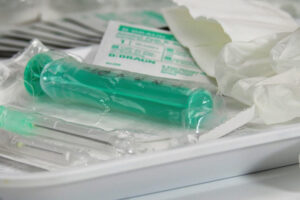
What Are End-of-Life Medications?
End-of-life medications, often called anticipatory medications or just-in-case medicines, help manage distressing symptoms. They are usually prescribed before symptoms begin, so they’re ready if needed.
These medicines are not used to prolong or shorten life. Instead, they focus on comfort and dignity. They come in different forms—tablets, liquids, patches or small injections—and can be adjusted to suit the individual.
Common Symptoms and How Medicines Help
Here are common symptoms at the end of life, and how medication can ease them:
- Pain – Strong painkillers like morphine or oxycodone relieve pain safely and effectively in small doses.
- Breathlessness – Morphine can also help with shortness of breath, making breathing feel easier and calmer.
- Nausea and vomiting – Medicines such as metoclopramide, cyclizine, or haloperidol can settle the stomach and reduce sickness.
- Anxiety or agitation – If someone feels restless or distressed, a sedative like midazolam can help them relax.
- Noisy breathing or secretions – As the body slows down, fluids can collect in the throat or chest, causing a rattling sound. Medicines like glycopyrronium, hyoscine hydrobromide, or hyoscine butylbromide (also known as Buscopan) can help dry up these secretions. These reduce noise and discomfort and make breathing quieter.
How Are These Medicines Given?
As swallowing becomes more difficult, medicines are often given by subcutaneous injection—a small needle placed just under the skin. If symptoms continue, a syringe driver (a small pump) can deliver a steady dose over 24 hours. This keeps symptoms under control without needing frequent injections.
Are These Medications Safe?
Yes. These medicines are prescribed by doctors and given by trained professionals. The doses are carefully tailored to relieve symptoms, not to hasten death. Families sometimes worry about strong painkillers or sedatives, but when used properly, these medicines bring comfort without causing harm.
The goal is always to ease distress and help the person feel as calm and peaceful as possible.
Comfort, Care and Compassion
Using medication at the end of life is one of the ways we show care and respect. It helps people stay comfortable, often allowing them to rest, breathe easily, and remain pain-free. For families, knowing that their loved one is not suffering can bring a deep sense of reassurance.
If you’re unsure about any medication, speak to the GP, palliative care nurse, or hospice team. They’ll support you every step of the way.