
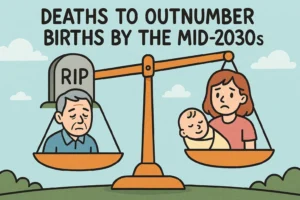
This week, new figures from the Office for National Statistics (ONS) revealed a significant demographic shift for the UK. For the first time in modern history outside of exceptional periods such as the pandemic, deaths are projected to outnumber births consistently from the middle of this decade and throughout the 2030s. The ONS projects that between 2024 and 2034 there will be around 450,000 more deaths than births in the UK.
While statistics about population change can feel distant or abstract, they point to something deeply personal and immediate: as a society, we are entering a period where conversations about ageing, illness, death, and planning ahead can no longer be avoided.
For organisations like the End of Life Network, these figures reinforce something we already know — the need for people to get their affairs in order has never been more important.
A Growing Need for End of Life Planning
The UK population is ageing. People are living longer, often with more complex health conditions, and families are increasingly spread across different towns, cities, and even countries. At the same time, fewer births mean fewer younger family members available to provide care and support in later life.
This demographic shift will place growing pressure on:
- Health and social care services
- Hospices and community support organisations
- Local authorities
- Families and informal carers
- Funeral and bereavement services
Most importantly, it will place pressure on individuals who have not yet planned ahead.
Too often, families are left trying to make difficult decisions during moments of crisis or grief because key conversations never happened. We regularly see situations where loved ones do not know:
- Whether someone wanted to be cared for at home or in hospital
- What type of funeral they would have preferred
- Where important financial documents are kept
- Who should make decisions if capacity is lost
- Whether a Will or Lasting Power of Attorney exists
When these matters are unclear, stress and uncertainty can quickly add to an already emotional time.
Planning Ahead Is a Gift to Those We Love
Getting affairs in order is sometimes seen as something people do “later in life”. In reality, planning ahead is an act of care and responsibility that benefits people of all ages.
No one can predict illness, accidents, or sudden changes in circumstances. Having plans in place provides reassurance, clarity, and peace of mind — both for the individual and for the people around them.
Simple but important steps include:
Writing a Will
A valid Will helps ensure that your wishes are followed and can reduce stress, confusion, and potential disputes for family members.
Setting Up a Lasting Power of Attorney
A Lasting Power of Attorney allows trusted people to make decisions on your behalf if you are unable to do so yourself.
Recording Care Preferences
Advance care planning gives people the opportunity to express what matters most to them — including where they would prefer to receive care and what treatments they may or may not want.
Organising Important Information
Keeping documents, passwords, financial information, and contact details organised can make a tremendous difference to loved ones during difficult times.
Talking Openly About Death
Perhaps most importantly, we need to normalise conversations about death and dying. Open conversations reduce fear and help families feel more prepared and connected.
The Importance of Community Support
As demographic pressures increase over the coming decades, compassionate communities will become even more important.
End of life care is not only the responsibility of healthcare professionals. It involves neighbours, friends, volunteers, workplaces, faith groups, and local organisations all working together to support people through illness, dying, death, and bereavement.
The End of Life Network believes that planning ahead should not be seen as pessimistic. It is practical, compassionate, and empowering.
By encouraging people to think ahead now, we can help reduce future distress and ensure more people are able to experience dignity, choice, and support at the end of life.
A National Conversation We Cannot Ignore
The new ONS figures are more than a demographic headline. They are a reminder that Britain is changing.
As deaths increasingly outnumber births over the coming years, conversations about end of life planning will become more relevant to every family and every community.
The question is not whether these conversations should happen.
The question is whether we are willing to have them early enough to make a difference.
Now is the time to get affairs in order, talk openly with loved ones, and make plans that reflect what matters most.
Because planning ahead is not about preparing for death.
It is about making life easier for the people we leave behind.
Comments are closed