
Understanding CPR (Cardiopulmonary Resuscitation)
Cardiopulmonary Resuscitation (CPR) is a life-saving emergency procedure performed when the heart stops beating. Its purpose is to manually preserve intact brain function by restoring partial flow of oxygenated blood to the brain and heart until normal heart rhythm is restored or advanced care can be administered.
In the UK, it is part of Basic Life Support (BLS) and is typically made up of:
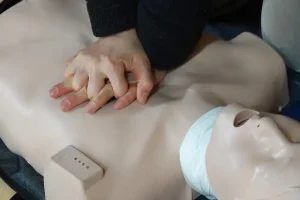
- Chest Compressions – pressing down firmly and rapidly in the centre of the chest to circulate blood.
- Rescue Breaths – giving breaths mouth-to-mouth to provide oxygen (generally considered secondary to compressions).
When done immediately and correctly, CPR can double or even triple a person’s chance of survival after cardiac arrest.
Success In-Hospital vs Out-of-Hospital
In-Hospital Cardiac Arrest
- Survival rates for adults who have a cardiac arrest in NHS hospitals and receive CPR are around 15–20%, depending on the underlying condition and the speed of response.
- Immediate access to trained staff and defibrillators improves survival odds.
Out-of-Hospital Cardiac Arrest (OHCA)
- In the UK, there are over 30,000 out-of-hospital cardiac arrests every year.
- Overall survival to hospital discharge is around 8–10%, although this varies by region.
- When bystanders perform CPR before emergency services arrive, survival rates can increase significantly.
- Use of public access defibrillators (AEDs) can also dramatically improve outcomes.
Note: According to the Resuscitation Council UK, early CPR and defibrillation within the first few minutes of collapse give the best chance of survival.
Potential Risks
While it can be life-saving, the process may result in some injuries. These risks are generally accepted given the alternative is likely death without intervention, but in elderly, frail or unwell people these risks may not be in their best interests and a ‘Do not Resuscitate’ order may be advised.
Possible complications include:
- Rib and Sternum Fractures – especially common in older or frail individuals.
- Lung injuries – such as a punctured or collapsed lung.
- Internal injuries – rare, but damage to internal organs is possible.
- Vomiting and Aspiration – the person may vomit, which can be a risk for choking or aspiration.
- Pain and Recovery Issues – survivors may have pain or long-term complications from both the cardiac arrest and CPR.
Despite these risks, the overall benefit of acting quickly with CPR outweighs potential harm.
Conclusion
CPR saves lives. In the UK, prompt action by bystanders is crucial in both home and public settings. While there are risks, performing CPR gives someone in cardiac arrest their best chance of survival.