
Creating a Pleasant Environment at End of Life
When someone is approaching the end of life, the surroundings they are in can make a big difference to how they feel. A calm, comfortable and familiar environment at end of life can bring peace and reassurance during a difficult time.
Family members and close friends can play an important role in creating a space that helps the person feel safe, cared for, and at ease.
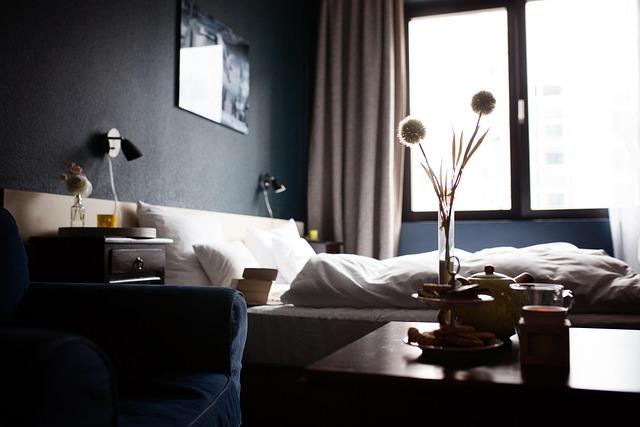
Why the Environment Matters
As someone nears the end of their life, they may spend most of their time resting or sleeping. They may feel anxious, uncomfortable, or unsure of what’s happening. A peaceful environment can help reduce stress, ease discomfort and offer emotional support.
Creating a pleasant space doesn’t have to be complicated. It’s about small, thoughtful touches that make the person feel surrounded by love and warmth.
Ways to Create a Comfortable and Peaceful Space
- Keep the Room Calm and Quiet
- Speak softly and avoid loud conversations nearby.
- Keep background noise gentle — soft music, birdsong or a familiar TV programme can be comforting.
- Dim bright lights if the person prefers a softer glow. A bedside lamp or fairy lights can add warmth.
- Try to avoid unnecessary interruptions or activity in the room.
- Make It Feel Familiar
- Surround them with things they know and love: family photos, a favourite blanket, books, or keepsakes.
- Let them use their own pillow or cushion if it brings comfort.
- If they’re in a hospital or hospice, small items from home can help the space feel more personal.
- Think About Scent and Air
- Open a window slightly to bring in fresh air, if they’re comfortable with it.
- Use mild, pleasant scents — perhaps lavender, rose or lemon. Avoid strong perfumes or sprays.
- Keep the room at a comfortable temperature, with extra blankets or a fan if needed.
- Bring Nature Inside
- A vase of fresh flowers, a view of the garden, or even a small houseplant can lift the mood.
- If they can’t go outdoors, consider playing recordings of natural sounds like the sea, wind in the trees or birds singing.
Supporting Emotional Peace
The emotional atmosphere matters just as much as the physical space. Try to:
- Offer quiet companionship — you don’t always need to talk. Just being there can be comforting.
- Be present and attentive. Hold their hand, or gently stroke their hair if they find touch soothing.
- Reassure them if they seem anxious. A calm voice and gentle words can bring a sense of safety.
You can also help create space for spiritual or cultural needs if this matters to the person — such as music, prayers, rituals or simply a time of reflection.
Involving Others
Encourage visitors to be calm, kind and respectful. Too many people at once can feel overwhelming. It’s okay to limit visits or ask people to keep things quiet and brief if needed. It can be helpful to have one person in charge of updating people via Whatsapp to prevent repeated conversations.
If professional carers or nurses are present, you can work together to make sure the environment stays peaceful and centred on the person’s comfort.
Final Thoughts
Creating a pleasant environment at the end of life is an act of love. It’s not about perfection — it’s about helping the person feel safe, respected, and surrounded by gentle care.
Every kind word, soft touch and thoughtful detail can bring peace in their final days. And often, just being there — quietly, calmly, and with love — is what matters most.
If you’re unsure how to support someone at the end of life, don’t hesitate to speak to a nurse, GP or palliative care team. You are not alone.