
Understanding DNACPR in the UK: What It Is and When It’s Right for You
A DNACPR (Do Not Attempt Cardiopulmonary Resuscitation) is a medical decision made in advance to instruct healthcare professionals not to attempt CPR if a person’s heart stops beating or they stop breathing.
It is sometimes also referred to as a DNAR (Do Not Attempt Resuscitation) or DNR (Do Not Resuscitate), but in the UK, DNACPR is the most commonly used term.
Having a DNACPR does not affect any other medical care. You will still receive full treatment for all other health issues, including pain relief, antibiotics, or admission to hospital — but CPR will not be performed.
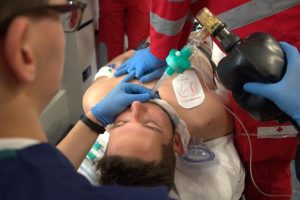
What Is CPR and Why Might You Decline It?
Cardiopulmonary Resuscitation (CPR) is an emergency procedure used when someone’s heart or breathing stops. It includes chest compressions, electric shocks (defibrillation), and sometimes inserting a breathing tube.
While CPR can save lives, it isn’t always effective — particularly in people with advanced illness, frailty, or terminal conditions. In these cases, CPR:
- Has a low success rate
- Can result in broken ribs, pain, or distress
- May prolong the dying process rather than prevent it
A DNACPR form is a way to ensure that a person’s wishes, or best interests, are respected.
When Might a DNACPR Be Appropriate?
A DNACPR might be considered in situations where:
- A person has a terminal illness or is nearing the end of life
- CPR is unlikely to be successful or may cause more harm than benefit
- An individual has chosen, for personal or spiritual reasons, not to receive CPR
- There is a risk that CPR would lead to poor quality of life or prolonged suffering
Having an honest discussion with your doctor or healthcare team can help you decide whether a DNACPR is right for you or your loved one.
Who Can Complete a DNACPR?
Only a senior clinician (usually a doctor, but sometimes an advanced nurse practitioner) can formally complete and sign a DNACPR form.
However:
- The decision should involve the patient wherever possible
- If the patient lacks capacity, the healthcare team must consult with family or legal representatives under the Mental Capacity Act 2005
- You do not need a solicitor to complete a DNACPR
In some cases, a DNACPR decision may form part of a wider Advance Care Plan or be discussed during the creation of a ReSPECT form (Recommended Summary Plan for Emergency Care and Treatment), used in many parts of the UK.
Where Should a DNACPR Be Kept?
Once completed, a DNACPR form should be:
- Easily accessible at home (e.g. near the bed, on the fridge, or in a “message in a bottle” container used by paramedics)
- Shared with your GP and any care agencies or care homes
- Provided to hospitals or emergency services if you’re admitted or transferred
- Carried with you when travelling, especially if in palliative care
DNACPR decisions should also be recorded in your medical records, and electronic systems like the Summary Care Record can help share the information with NHS services.
Is a DNACPR Legally Binding?
A DNACPR is not a legally binding document in the same way as a contract or court order, but it is a clinical decision that should be respected by healthcare professionals as part of best practice and ethical care.
Healthcare providers are expected to follow the DNACPR form unless:
- The circumstances have changed significantly, making CPR appropriate in the new situation
- The form is unavailable at the time of the emergency
- The clinician judges that CPR is now in the patient’s best interests, for example, if the original decision is no longer applicable
However, ignoring a valid DNACPR without justification could result in professional or legal consequences for healthcare providers.
When Might CPR Be Given Despite a DNACPR?
While rare, CPR might still be performed despite a DNACPR if:
- The form cannot be found or confirmed in an emergency (especially outside hospital or at home)
- There is confusion or disagreement about whether the DNACPR is still valid
- The circumstances of the cardiac arrest differ significantly from those originally considered (e.g. sudden trauma rather than an expected deterioration)
To reduce this risk, it is vital that DNACPR decisions are clearly documented, easily accessible and shared with all relevant healthcare providers.
Can a DNACPR Be Changed?
Yes. A DNACPR decision:
- Can be reviewed or withdrawn at any time
- Should be reviewed regularly, especially if your condition or wishes change
- Must be made on a case-by-case basis — a DNACPR from a previous admission may not apply in a new situation
Always speak to your healthcare team if you want to reconsider your decision.