
Every year, National Bereaved Mothers Day offers a moment to acknowledge a pain that often goes unseen — the grief of mothers whose children have died. Observed on the first Sunday in May, this day sits quietly before Mother’s Day, creating space for remembrance, compassion and recognition.
For many bereaved mothers, traditional Mother’s Day celebrations can feel isolating. Cards, flowers and social media tributes may intensify feelings of loss. National Bereaved Mothers Day exists to say clearly: your motherhood still matters, your child is remembered, and your grief deserves support.
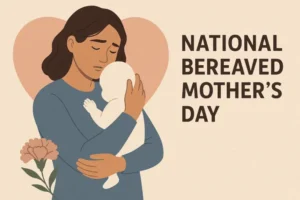
A Different Kind of Mother’s Day
Bereavement changes every aspect of life. Whether a mother has experienced miscarriage, stillbirth, neonatal loss, the death of a child through illness, accident, suicide or any other circumstance, the bond between mother and child does not end.
Grief is not linear. Some mothers may want to talk openly about their child; others may prefer quiet reflection. Some may mark the day with family traditions, visits to meaningful places, lighting candles, planting flowers, or sharing photographs and memories.
There is no “correct” way to grieve.
National Bereaved Mothers Day encourages all of us to approach bereaved mothers with kindness and sensitivity. Sometimes the most meaningful thing we can do is simply acknowledge their child by name and listen without trying to fix the pain.
Why Awareness Matters
Many bereaved parents describe feeling forgotten after the initial weeks following a loss. Friends and colleagues may not know what to say, leading to silence at the very moment support is needed most.
Days such as National Bereaved Mothers Day help break that silence. They remind communities, workplaces and families that grief continues long after funerals and formal condolences have ended.
Simple acts can make a difference:
- Sending a thoughtful message
- Remembering significant dates
- Offering practical help
- Checking in regularly
- Allowing space for honest emotions
- Acknowledging the child’s existence
Compassion does not remove grief, but it can make grief feel less lonely.
Support for Bereaved Mothers in the UK
No one should have to navigate loss alone. Across the UK, several organisations provide specialist bereavement support, helplines, counselling, online communities and practical guidance.
Sands
Supports anyone affected by the death of a baby before, during or shortly after birth. Sands offers helplines, local support groups, online communities and workplace resources.
Child Bereavement UK
Offers support to families grieving the loss of a child, as well as help for children and young people coping with bereavement.
Cruse Bereavement Support
Provides free bereavement support, helplines, local services and information for anyone experiencing grief.
Tommy’s
Offers information and support following miscarriage, stillbirth and neonatal loss.
Petals
Provides specialist counselling for parents affected by pregnancy and baby loss.
If You Know a Bereaved Mother
You do not need perfect words. Often, what matters most is showing up with empathy and patience.
You might say:
- “I’m thinking of you today.”
- “I remember your child.”
- “Would you like to talk about them?”
- “You don’t have to go through this alone.”
Avoid trying to minimise the loss or rushing someone through grief. Bereavement has no timetable.
A Day for Remembrance and Compassion
National Bereaved Mothers Day is ultimately about recognition — recognising enduring love, lifelong motherhood and the reality of grief.
For bereaved mothers across the UK and beyond, this day sends an important message: your child mattered, your grief matters, and you are not forgotten.
Comments are closed