
Understanding Physical Changes at the End of Life
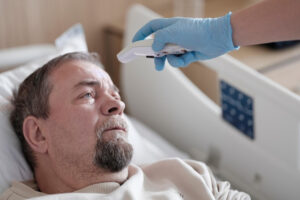
As someone approaches the end of life, their body begins to slow down and their physical needs change. These changes are natural and expected, though they can be distressing to witness. Understanding what to expect and how to offer gentle support can bring comfort both to the person who is dying and to those around them.
Click on the categories below for more information. The information given is a guide and you should always follow any guidance from your care teams.
Energy and Mobility
Most people become increasingly tired and may spend more time resting or sleeping. Simple activities such as sitting up, eating, or talking can take a great deal of energy.
How you can help:
- Encourage rest and allow them to set the pace.
- Help them to reposition comfortably if they’re in bed or a chair.
- If they want to move around, offer physical support or ask for assistance from a nurse or carer.
- Keep frequently used items (water, tissues, phone) within easy reach.
Eating and Drinking
As the body prepares for death, appetite and thirst naturally decline. This is normal and not usually distressing for the person themselves, though it may be upsetting for others.
How you can help:
- Offer small sips of water or their favourite drinks if they are able to swallow.
- Provide soft, easy-to-eat foods if they feel like eating.
- Don’t pressure them to eat—respect their cues and comfort.
- Focus on mouth care to relieve dryness (see below).
Mouth Care
Dry mouth is common when someone is no longer drinking regularly. Keeping the mouth clean and moist can greatly improve comfort.
How you can help:
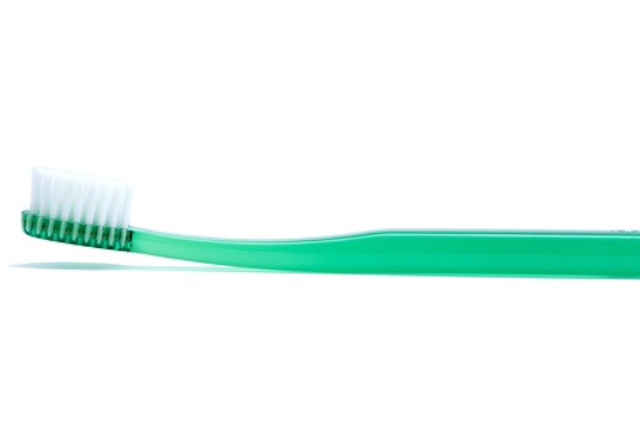
- Use a soft toothbrush or foam swabs dipped in cool water to gently clean the mouth.
- Offer ice chips or small sips of water if safe.
- Apply lip balm to prevent cracking.
- Ask a nurse for mouth gels or sprays if needed.
Toileting and Continence
Many people lose control over their bladder or bowels as they become weaker. Others may struggle to get to the toilet. This can be distressing for the individual and needs to be handled with dignity and kindness.
How you can help:
- Reassure them that help is available and that they needn’t feel embarrassed.
- Speak with nurses about pads, incontinence care, or catheter use if needed.
- Maintain privacy and a respectful tone during personal care.

Skin Care and Comfort
As people become less mobile, they are at risk of pressure sores and discomfort from lying or sitting in one position too long. Their skin may become more fragile and dry.
How you can help:
- Gently help reposition them every few hours if they’re in bed.
- Use cushions or pillows to support their body and relieve pressure points.
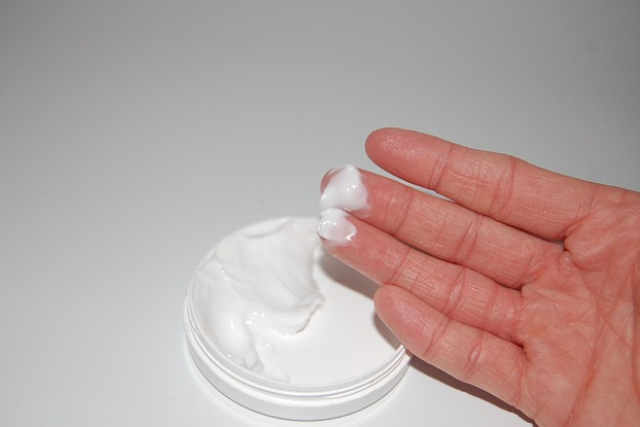
- Apply gentle moisturiser to keep skin soft.
- Ensure clothing and bedding are clean, dry, and comfortable.
Temperature Sensitivity
At the end of life, it’s common for someone to feel too hot or too cold. Circulation slows down, which can cause cold hands and feet.
How you can help:
- Offer a light blanket or remove layers if they feel warm.
- Gently warm cold hands and feet with a soft cloth or your hands.
- Open a window slightly for fresh air, but make sure they remain comfortable.

Pain and Physical Discomfort
Not everyone experiences pain at the end of life, but if they do, it should be assessed and managed carefully. Other symptoms like breathlessness, nausea, or agitation may also arise.
How you can help
- Let nurses or the GP know about any signs of discomfort or distress.
- Keep an eye out for facial expressions or body movements that might indicate pain, especially if they can’t speak easily.
- Sit quietly with them and offer reassurance through gentle touch or calming words.
Respecting Dignity and Individual Preferences
Everyone is different. Some people may wish to remain alert, others may prefer sedation for comfort. Some want company, others need quiet. Wherever possible, respect their preferences, choices, and need for control.
How you can help:
- Ask what they want, and listen carefully to their answers.
- Offer choices rather than making assumptions.
- Let them guide how much or how little support they want.
Final Thoughts
Supporting someone at the end of life is one of the most profound acts of love and care. Being aware of their physical needs—and responding with gentleness, respect, and compassion—can bring great comfort in their final days. You don’t need medical training to make a difference. Your presence, kindness, and willingness to help are often the most valuable gifts you can offer.